
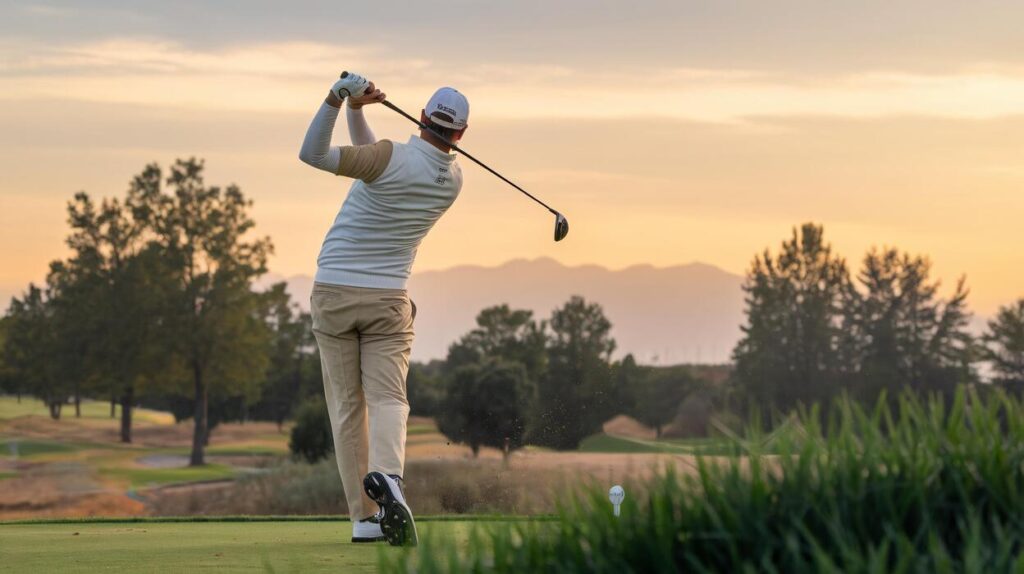
Golf elbow can sneak up on you. One week, it feels like a mild ache on the inside of your elbow, and the next, it hurts to grip a steering wheel, pick up a coffee mug, or finish a round without compensating. In Phoenix, it’s common for active adults to stack repetitive activity across golf, pickleball, lifting, and weekend projects, which is exactly the kind of volume that can irritate tendons over time.
The good news: Golf elbow is usually very treatable, especially when you address it early and rebuild the right strength instead of only resting. This guide breaks down what golf elbow is, why it happens, what makes it linger, and how physical therapy helps you recover and stay active without recurring flare-ups.
If you want a plan that targets the real driver, start with elbow pain physical therapy in Phoenix to get a clear evaluation and a structured approach to healing.
What is golf elbow?
Golf elbow is commonly used to describe irritation where the forearm flexor tendons attach on the inside of the elbow. You do not have to play golf to get it. Any repetitive gripping, wrist flexion, or forearm strain can contribute.
People often describe it as:
- A tender spot on the inside of the elbow
- Pain when gripping a club, paddle, or dumbbell
- Discomfort during lifting, pulling, or carrying
- A lingering ache that worsens after activity
It may feel like an “inflammation” problem at first, but in many cases, it becomes a tendon load problem, meaning the tissue’s capacity is lower than what your daily activity demands.
Why does golf elbow happen in active adults?
Most cases come down to a simple mismatch: Your weekly workload increased faster than the tendon could adapt.
Here are the most common drivers:
Repetitive gripping and wrist motion
Golf involves repeated gripping and wrist control. Even if your swing is smooth, you still rack up hundreds of high-repetition reps over weeks and months.
Technique and equipment factors
Small changes can make a big difference, such as:
- Gripping too tightly throughout the swing
- Overusing the hands and forearms instead of rotating through the trunk
- Using clubs that encourage more forearm strain (or gripping harder to control the club)
Strength imbalance in the arm
If the forearm flexors are doing all the work and the shoulder blade, upper arm, and trunk are not sharing the load, the elbow takes the hit.
Sudden spikes in activity
Common examples include:
- A golf trip with multiple back-to-back rounds
- Switching from occasional play to daily range sessions
- Combining golf with pickleball, lifting, or manual work in the same week
Return too fast after symptoms start
A lot of people “play through” mild pain and unintentionally train the injury deeper. The tendon becomes more sensitive and less tolerant, which makes simple daily tasks start to hurt.
Common signs that your elbow pain is golf elbow
Not all elbow pain is the same. These signs often point toward golf elbow patterns:
- Pain on the inside of the elbow that increases with gripping
- Pain when flexing the wrist, especially against resistance
- Achiness after activity that lingers into the next day
- Tenderness when pressing on the inner elbow area
- Stiffness in the forearm, sometimes with a feeling of “tightness” down toward the wrist
If you have significant numbness or tingling in the hand, pain that feels like it is shooting, or symptoms that worsen when your neck moves, that can suggest a different driver and is worth getting evaluated.
Why resting alone often doesn’t solve it.
Rest can calm symptoms, but it often does not rebuild tendon capacity. Many people rest, feel better, return to golf, and flare again.
A stronger approach is:
- Reduce the aggravating load temporarily
- Keep the area moving safely
- Rebuild strength progressively
- Improve mechanics and recovery habits
- Return to play with a plan
This is why physical therapy can shorten the overall timeline and reduce the odds of the problem becoming chronic.
What makes golf elbow linger or keep returning?
If your elbow keeps cycling between “better” and “worse,” one of these is usually involved:
The load is still too high
You may have reduced volume slightly, but not enough to get ahead of the irritation.
The rehab is too random.
A few stretches and occasional massage often feel good, but tendons usually need progressive strengthening to become more tolerant.
Grip strategy never changes.d
If you are still white-knuckling the club, you are feeding the same overload pattern.
The shoulder and trunk are not helping
When the arm is doing all the work, the elbow becomes the weak link.
How physical therapy helps golf elbow heal
The goal is not just to make it feel better today. The goal is to rebuild a forearm that can handle your real life and your sport.
Step 1: Identify what’s driving the overload
A good assessment looks at:
- Grip strategy and wrist control
- Forearm strength and tendon sensitivity
- Shoulder and scapular strength
- Trunk rotation and swing-related movement patterns
- Weekly activity volume and recovery habits
Often, the tendon is the painful spot, but the true driver is a workload or movement pattern problem.
Step 2: Calm symptoms without shutting everything down
Early care typically focuses on:
- Modifying aggravating activities in a practical way
- Using gentle movement to keep the elbow from stiffening
- Choosing the right starting loads so the tendon can adapt
The key is finding what you can do without repeatedly spiking symptoms.
Step 3: Progressive strengthening for the forearm and grip
Tendon rehab usually requires a progression. That often includes:
- Isometric loading to reduce pain and rebuild control
- Slow, controlled strengthening for wrist flexors and forearm muscles
- Grip endurance work without over-gripping
- Gradual reintroduction of higher-speed or sport-specific motions
This is where most self-guided plans fall short. The progression needs to match your irritability level and your actual activity demands.
Step 4: Restore the chain so the elbow is not doing everything
Many golfers benefit from improving:
- Shoulder blade stability
- Rotator cuff endurance
- Upper back mobility
- Trunk rotation control
When the bigger movers contribute, the forearm can stop overworking.
Step 5: Build a return-to-golf plan that makes sense
A good return plan is structured. That may include:
- Range progression (short sessions first, then longer)
- Limiting full-speed swings early
- Spacing sessions across the week
- Tracking next-day symptoms as feedback
This is how you get back without guessing.
What you can do right now to reduce golf elbow pain
These are general starting points. If pain spikes, stop and get assessed.
1) Adjust volume before you adjust everything else
Try one change first:
- Reduce total swings
- Reduce range days per week temporarily
- Avoid the most painful swing pattern for a short window
Small reductions done consistently beat dramatic changes done for two days.
2) Relax your grip pressure
Most people grip harder than they need to. Practice a grip that feels secure but not crushing. This single change can reduce tendon load quickly.
3) Respect next-day pain
If you feel fine during the round but ache hard the next day, that is a sign you exceeded your current capacity. Use that feedback to scale volume and rebuild.
4) Avoid aggressive stretching into sharp pain
Gentle mobility can help, but cranking on the forearm can irritate a sensitive tendon. Tendons usually prefer controlled load over intense stretching when they are flared.
5) Improve recovery habits
Sleep, hydration, and spacing your activity days matter. When recovery is poor, your tendon adapts more slowly.
When to get help for golf elbow
Physical therapy is a good next step when:
- Pain lasts longer than 2 weeks despite reducing activity
- Symptoms keep recurring when you return to play
- Gripping and lifting tasks are affected
- You are changing the technique to avoid pain
- You want a clear plan instead of trial-and-error
If you want another perspective on how PT reduces injury risk and supports return to sport, check out How to Prevent Common Sports Injuries with Physical Therapy.
FAQs about golf elbow
How do I know if it’s golf elbow or tennis elbow?
Golf elbow usually hurts on the inside of the elbow. Tennis elbow usually hurts on the outside. Both can be triggered by gripping and repetitive arm use, but the location and the painful motions often differ.
Should I stop golfing completely while it heals?
Not always. Many people can keep playing with smart modifications, such as reducing range volume, shortening sessions, avoiding full-speed swings early, and adjusting grip pressure. The goal is to stay active without repeatedly spiking symptoms.
How long does golf elbow take to heal?
It depends on how long you have had it, how sensitive it is, and how consistent your rehab is. Mild cases often improve over a few weeks. More persistent tendon pain can take longer because the tissue needs time and progressive loading to rebuild capacity.
What’s the biggest mistake people make with golf elbow?
Resting until it feels better, then jumping right back into the same volume and intensity. The tendon often needs a structured strength progression and a gradual return plan to prevent recurrence.
Can strengthening make it worse?
If you start too heavy or progress too fast, yes. The right rehab uses controlled loading that matches your current tolerance and builds week by week.
Conclusion
Golf elbow is frustrating, but it is usually fixable when you stop guessing and start rebuilding tendon capacity with a clear plan. The fastest path back is rarely “do nothing.” It’s smart load management, progressive strengthening, and better support from the shoulder and trunk, so your forearm is not carrying the whole workload.
If you want a clear, personalized plan, reach out through the Contact Us page to schedule an appointment at Movement Redefined. We’ll help you pinpoint what’s driving your elbow pain and build a step-by-step path back to playing comfortably and confidently.