
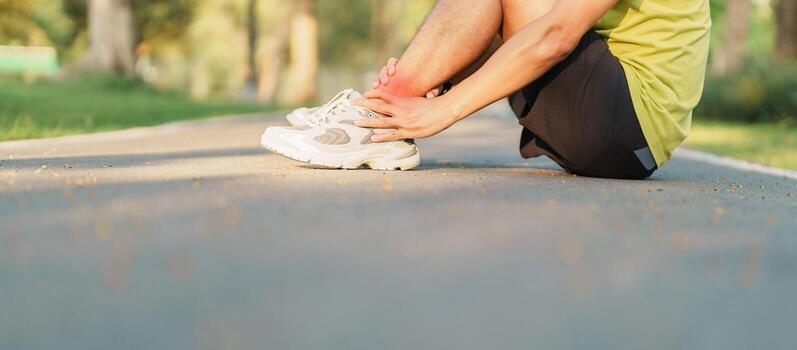
Achilles tendon pain can be stubborn. It may start as a mild tightness behind the heel or lower calf, then slowly become something that affects your runs, hikes, workouts, and even your first few steps in the morning. For Phoenix runners and hikers, Achilles pain can show up quickly because of hill work, rocky desert trails, sudden training spikes, and the extra fatigue that comes with heat.
The Achilles tendon is built to handle high force, but it still needs time to adapt. When your training load rises faster than your tendon capacity, irritation can build. The result is often a cycle of soreness, rest, temporary improvement, and then another flare-up when you return to the same activity.
This guide explains why Achilles tendon pain happens, what makes it linger, what runners and hikers can do early, and how physical therapy helps you rebuild strength and return safely.
If Achilles pain is limiting your activity, foot and ankle physical therapy in Phoenix can help you identify the cause and build a structured plan to get back to running, hiking, and daily movement with more confidence.
What is Achilles tendon pain?
The Achilles tendon connects your calf muscles to your heel bone. It helps you push off the ground when you walk, run, climb, jump, or hike uphill. Because it plays such a major role in propulsion, it takes on a lot of repetitive load.
Achilles tendon pain is often related to tendon irritation or tendinopathy, which means the tendon is struggling to tolerate the amount or type of load being placed on it. It may feel like inflammation, but many cases are really about capacity: The tendon is being asked to do more than it is prepared to handle.
Common symptoms include:
- Pain Or Stiffness Behind The Heel Or Lower Calf
- Morning Tightness During The First Few Steps
- Pain That Warms Up During Activity But Returns Later
- Tenderness When Pressing Along The Tendon
- Soreness After Hills, Speed Work, Or Long Hikes
- A Feeling Of Tightness That Keeps Coming Back
Some people feel pain close to the heel. Others feel it higher up in the tendon. Location matters because different types of Achilles pain may respond better to different loading strategies.
Why Achilles pain is common in Phoenix runners and hikers
Phoenix is a great place to stay active, but local conditions can add unique stress to the lower leg.
Desert trails demand more calf work
Rocky trails require constant small corrections from your foot, ankle, and calf. Your Achilles helps control each step, especially when the ground shifts under you or the terrain changes quickly.
Hills and climbs increase tendon load
Uphill running and hiking require more push-off, which increases demand on the calf and Achilles. Downhill sections also require control, especially when you are tired.
Heat fatigue changes mechanics
When fatigue builds, stride mechanics often change. You may push off differently, shorten your stride, overstride, or land with less control. Those small changes can increase tendon stress over time.
Training spikes happen easily
Many people increase activity when the weather improves or when they start a new race, hiking, or fitness goal. Adding too much mileage, elevation, speed work, or trail difficulty too quickly is one of the most common reasons Achilles pain starts.
Footwear changes can contribute
Switching to a lower-drop shoe, minimalist shoe, or different hiking footwear can change how much work the calf and Achilles must do. Even a good shoe can create problems if the transition is too sudden.
Common causes of Achilles tendon flare-ups
Achilles pain is usually not random. It often comes from a combination of training load, strength capacity, mobility, and recovery.
Too much too soon
A sudden jump in mileage, pace, hill repeats, hiking distance, or incline work can overload the tendon before it has time to adapt.
Weak calf capacity
The calf-Achilles complex needs endurance and strength. If your calves fatigue quickly, the tendon absorbs more stress during longer runs and hikes.
Limited ankle mobility
If ankle motion is restricted, your body may compensate by changing foot strike, stride length, or knee position. That can increase the load on the Achilles or surrounding structures.
Poor recovery spacing
Doing back-to-back high-load sessions, such as hill running one day and a long hike the next, may not give the tendon enough time to recover.
Returning too quickly after symptoms calm down
Achilles pain often improves with rest, but the tendon may still lack capacity. Returning to the same training plan too soon can restart the cycle.
Why rest alone often does not solve Achilles pain
Rest can help reduce symptoms, but it does not rebuild the tendon’s tolerance. That’s why Achilles pain often comes back when you resume running, hiking, or jumping.
A better approach is to reduce the most irritating load while gradually rebuilding strength.
That usually means:
- Temporarily Reducing Hills, Speed, Or Long-Distance Efforts
- Keeping Activity Within A Tolerable Range
- Starting Progressive Calf And Tendon Strength Work
- Tracking How The Tendon Responds The Next Day
- Returning To Higher Loads Gradually
The goal is not to avoid loading the tendon forever. The goal is to load it in a way that helps it adapt.
What makes Achilles pain linger?
If symptoms keep returning, one of these issues may be involved.
You keep testing it with the same trigger
If hill repeats caused the flare, and you keep testing hill repeats, you are probably not giving the tendon enough time to rebuild.
You stretch aggressively when it is irritated
Gentle mobility can be useful, but aggressive stretching into pain can sometimes make a sensitive tendon feel worse, especially near the heel.
You skip strength work
Achilles recovery usually needs progressive loading. Massage, stretching, and rest may help symptoms, but strength work is what improves capacity.
You only train on flat ground before returning to trails
Flat running or walking is not the same as rocky terrain, elevation, and long descents. Your return plan should gradually prepare you for the specific activity you want to do.
How physical therapy helps Achilles tendon pain
A physical therapy plan should do more than calm symptoms. It should help you understand why the tendon got overloaded and rebuild the strength needed for your goals.
Step 1: Identify the main driver
A thorough assessment may look at:
- Calf Strength And Endurance
- Ankle Mobility
- Foot And Arch Control
- Running Or Hiking Volume
- Hill And Speed Work History
- Footwear Changes
- Single-Leg Balance And Control
- Hip Strength And Overall Lower-Body Mechanics
Achilles pain is often a lower-leg issue, but the full movement chain still matters.
Step 2: Reduce irritation without shutting everything down
Many people can stay active while recovering, but the plan has to be adjusted.
Early modifications may include:
- Reducing Hill Work Temporarily
- Shortening Runs Or Hikes
- Avoiding Speed Work During A Flare
- Choosing Flatter Routes
- Spacing Higher-Load Days Further Apart
- Using Pain And Next-Day Symptoms To Guide Progression
The goal is to create an environment where the tendon can calm down and adapt.
Step 3: Build tendon capacity with progressive loading
Achilles tendons respond well to progressive strengthening when the starting point is appropriate.
A plan may include:
- Double-Leg Heel Raises
- Single-Leg Heel Raises
- Slow Heel Lowering
- Bent-Knee Calf Strengthening
- Isometric Holds For Pain Control
- Gradual Plyometric Or Spring Work When Ready
The right exercise depends on your symptoms, tendon sensitivity, and activity goals. Starting too aggressively can flare symptoms, while staying too easy may not create enough adaptation.
Step 4: Rebuild running or hiking tolerance
Once symptoms are improving, the next step is gradual exposure.
For runners, that may include:
- Run-Walk Intervals
- Shorter Easy Runs
- Flat Routes Before Hills
- Gradual Mileage Progression
- Speed Work Only After Base Tolerance Improves
For hikers, that may include:
- Shorter Trails First
- Less Technical Terrain
- Gentle Elevation Before Steeper Climbs
- Trekking Poles On Early Return Hikes
- Careful Progression Of Distance And Terrain
If your Achilles symptoms are tied to hiking terrain, this related guide on hiking in Phoenix without getting hurt can help you think through terrain, warm-up, and lower-body preparation.
What you can do right now for Achilles pain
These are general starting points. If your pain is sharp, worsening, or affecting normal walking, get assessed.
1) Reduce the biggest trigger
Start with the activity that causes the most symptoms.
- Reduce Hills Temporarily
- Pause Speed Work For A Short Window
- Shorten Long Runs Or Hikes
- Choose Flatter Routes
- Avoid Back-To-Back High-Load Days
You do not always need to stop everything. You need to stop repeatedly provoking the tendon.
2) Track your morning response
Morning stiffness is useful feedback. If your first steps are much worse the day after the activity, the tendon likely got more load than it was ready for.
3) Be careful with stretching
If stretching feels relieving and does not increase symptoms, gentle mobility may be fine. If it creates sharp pain or increases next-day soreness, scale it back.
4) Start strength work at the right level
Heel raises can be helpful, but the dose matters. Start with a level you can tolerate and progress gradually. If symptoms are very reactive, guided PT can help you choose the safest starting point.
5) Avoid sudden footwear changes
If you recently changed shoes and symptoms started, consider whether the transition was too fast. You may need a more gradual adjustment period.
When to get help for Achilles tendon pain
Physical therapy is a smart next step when:
- Pain Lasts Longer Than 1 To 2 Weeks
- Morning Stiffness Keeps Returning
- Symptoms Flare Every Time You Run Or Hike
- Pain Changes Your Stride Or Walking Pattern
- You Feel Weakness During Push-Off
- You Want A Clear Return Plan Instead Of Guessing
Get evaluated sooner if you feel a sudden pop, have significant bruising, cannot push off the foot, or cannot walk normally.
Achilles tendon questions for active Phoenix patients
Can I keep running with Achilles pain?
Sometimes, yes, but it depends on symptom severity and next-day response. Many people can continue with reduced mileage, flatter routes, and no speed work while they rebuild strength. If pain is sharp, worsening, or changing your stride, it is better to get assessed before continuing.
Should I stretch my Achilles if it hurts?
Gentle mobility may help some people, but aggressive stretching can irritate a sensitive tendon, especially if the pain is close to the heel. Strength progression is often more important than stretching alone.
Why does my Achilles hurt more in the morning?
Morning stiffness is common with tendon irritation. The tendon may feel stiff after resting overnight, then loosen as you move. If morning stiffness keeps increasing, your current activity load may be too high.
How long does Achilles tendon pain take to improve?
Mild cases may improve in a few weeks with the right load changes and strengthening. Longer-standing tendon issues often take more time because the tendon needs gradual loading to rebuild capacity.
What is the biggest mistake with Achilles pain?
The biggest mistake is resting until it feels better, then returning immediately to hills, speed work, or long distances. Symptoms may calm before the tendon is ready for full load.
Returning to running and hiking with stronger Achilles support
Achilles tendon pain can feel limiting, but it is often very responsive to the right plan. The key is understanding what overloads the tendon, temporarily reducing the biggest triggers, and rebuilding calf and tendon capacity through a smart progression.
For Phoenix runners and hikers, that means preparing for real conditions: Heat, hills, rocky terrain, long descents, and training schedules that can change quickly. When your Achilles is stronger, and your plan aligns with your activity goals, you can return with more confidence, rather than constantly worrying about the next flare-up.
If Achilles pain is holding you back, reach out through the Contact Us page to schedule an appointment at Movement Redefined. We’ll help you identify the cause, rebuild strength, and create a clear path back to running, hiking, and moving comfortably.