
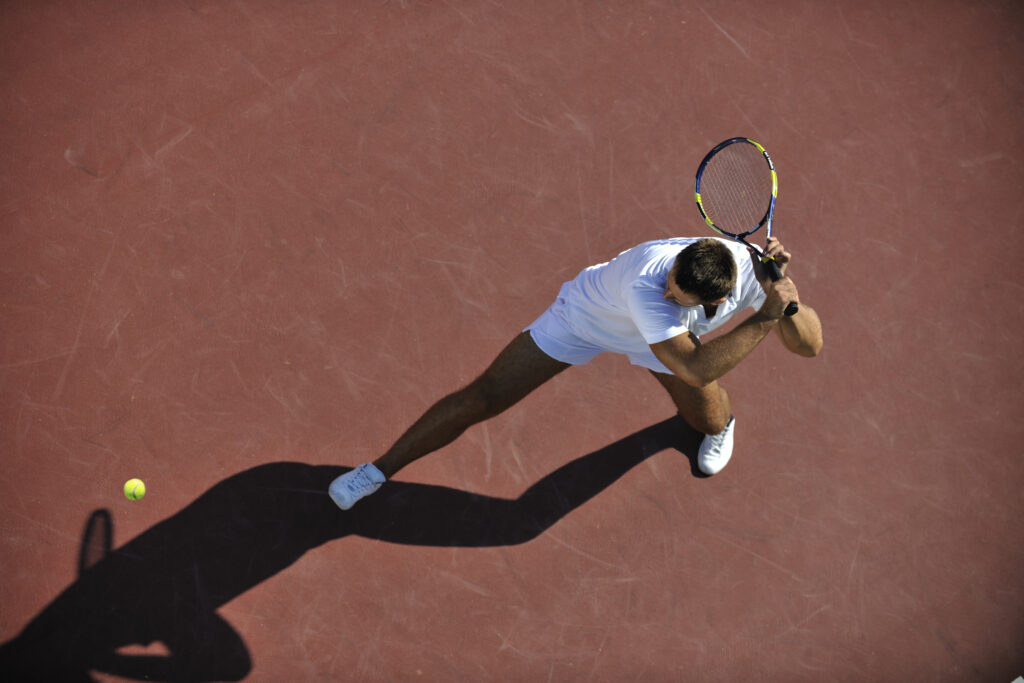
Tennis elbow can be frustrating because it often starts small. At first, it may feel like a mild ache on the outside of your elbow after a workout, tennis match, pickleball game, or weekend project. Then it starts showing up during everyday tasks, like lifting a grocery bag, gripping a coffee mug, opening a jar, or typing after a long workday.
Despite the name, you do not have to play tennis to develop tennis elbow. It can happen to anyone who repeatedly grips, lifts, twists, or uses the wrist and forearm under load. In Phoenix, where people stay active with tennis, pickleball, golf, hiking, fitness classes, and outdoor work, it is easy for forearm tendons to get overloaded before you realize there is a pattern.
The good news is that tennis elbow is usually treatable with the right plan. The key is not just resting until the pain fades. The key is rebuilding tendon strength, improving movement mechanics, and returning to activity in a way your elbow can tolerate.
If elbow pain keeps coming back or is limiting your daily life, elbow pain physical therapy in Phoenix can help you identify what is driving the issue and build a clear plan to recover.
What is tennis elbow?
Tennis elbow is commonly used to describe irritation or overload of the tendons that attach near the outside of the elbow. These tendons connect to muscles that help extend the wrist, stabilize the forearm, and support gripping.
People often describe tennis elbow as:
- Pain On The Outside Of The Elbow
- Tenderness When Pressing Near The Outer Elbow
- Pain With Gripping, Lifting, Or Twisting
- Discomfort When Holding A Racket, Paddle, Tool, Or Weight
- A Lingering Ache After Activity
In many cases, tennis elbow is less about one sudden injury and more about repeated stress over time. The tendon is being asked to do more than it is currently prepared to handle.
Why does tennis elbow happen
Tennis elbow usually develops when the forearm muscles and tendons are overloaded through repeated gripping, wrist extension, or resisted rotation. It can happen gradually, especially if your activity volume changes faster than your tissue capacity.
Repetitive gripping
Sports like tennis and pickleball require frequent gripping and paddle or racket control. Even if each swing feels light, the total number of repetitions can add up quickly.
The same issue can happen outside sports. Lifting weights, carrying bags, using tools, working at a computer, and doing home projects can all contribute.
Sudden activity spikes
A common pattern is doing too much too soon. Maybe you played more matches than usual, started lifting heavier, joined a new fitness class, or spent a weekend doing yardwork. If your forearm tendons are not ready for the spike, irritation can start.
Poor load sharing through the arm
The elbow often becomes irritated when the wrist and forearm are doing too much of the work. If the shoulder, upper back, and trunk are not helping support movement, more stress can end up at the elbow.
This is why a complete plan should look beyond the painful spot.
Grip pressure and technique
Many people grip harder than necessary. A tight grip increases demand on the forearm muscles, especially during swings, lifting, or repetitive tasks. Over time, that extra demand can keep the tendon irritated.
Recovery that does not match the activity
Tendons need time to adapt. If you keep loading the elbow without enough recovery, symptoms can become more persistent. This is especially true when pain is ignored early, and activity continues at the same level.
Common signs of tennis elbow
Tennis elbow can show up differently from person to person, but common signs include:
- Pain When Lifting Objects With The Palm Facing Down
- Pain When Shaking Hands Or Gripping Firmly
- Discomfort During Backhands, Paddle Swings, Or Pulling Movements
- Elbow Tenderness After Typing, Tool Use, Or Workouts
- Weak Grip Because Pain Limits Effort
The pain is usually located on the outside of the elbow, but it can also travel into the forearm. Some people feel stiffness first thing in the morning or soreness after activity rather than during it.
Tennis elbow vs. golf elbow
Tennis elbow and golf elbow are often confused because both involve tendon irritation near the elbow. The main difference is location.
Tennis elbow usually affects the outside of the elbow. Golf elbow usually affects the inside of the elbow.
Both can be related to gripping, sport, lifting, and repetitive forearm use, but the irritated tendon group is different. If your pain is more on the inside of the elbow, this related guide on golf elbow physical therapy may be more relevant.
Why rest alone often does not fix tennis elbow
Rest can reduce symptoms temporarily, but it does not always solve the underlying problem. This is why many people feel better after taking time off, only to flare up again when they return to normal activity.
The reason is simple: Pain may calm down before the tendon is strong enough to handle the original workload.
A better recovery plan usually includes:
- Short-Term Load Adjustments
- Progressive Forearm Strengthening
- Shoulder And Upper-Back Support Work
- Grip And Technique Modifications
- A Gradual Return To Sport Or Activity
The goal is not to avoid using the elbow forever. The goal is to teach it to tolerate the load again.
What makes tennis elbow linger?
If tennis elbow keeps returning, one or more of these factors may be involved.
You keep testing it too soon
It is common to feel a little better, then immediately try a full match, heavy lift, or long work session. If symptoms spike afterward, that means the tissue was not ready yet.
You only stretch or massage it
Stretching and soft tissue work can feel helpful, but tendon recovery usually requires strength progression. A tendon needs controlled load to rebuild capacity.
You are still over-gripping
If you continue using the same grip pressure during sport, lifting, or work tasks, you may keep feeding the same overload pattern.
You skip the shoulder and trunk
The elbow is part of a larger movement chain. If shoulder control, posture, and trunk rotation are not supporting the arm, the forearm may continue to overwork.
How physical therapy helps tennis elbow heal
A strong physical therapy plan does more than treat pain. It identifies what is making the elbow sensitive and rebuilds the strength needed for real life.
Step 1: Identify the driver
A good evaluation may look at:
- Pain Location And Symptom Triggers
- Wrist And Forearm Strength
- Grip Tolerance
- Shoulder And Scapular Control
- Neck And Upper-Back Mobility
- Sport, Work, And Workout Demands
This matters because two people can have the same elbow pain but need different plans.
Step 2: Calm symptoms without full shutdown
Early recovery often focuses on reducing irritation while keeping you active. That may mean adjusting the most aggravating tasks instead of stopping everything.
Examples may include:
- Reducing Match Or Workout Volume Temporarily
- Modifying Gripping Tasks
- Avoiding Heavy Lifting With The Palm Down
- Using Pain-Guided Activity Limits
- Keeping Gentle Movement In The Elbow And Wrist
The goal is to stop the flare cycle while maintaining enough movement to avoid stiffness.
Step 3: Rebuild forearm tendon capacity
This is usually the most important step. Tendons respond well to progressive loading when the starting level is right.
A rehab plan may include:
- Isometric Wrist Extension Holds
- Slow Wrist Extension Strengthening
- Grip Endurance Work
- Forearm Rotation Control
- Progressive Lifting Patterns
The key is progression. Too little load may not create change. Too much load can flare symptoms. The right plan finds the middle ground.
Step 4: Improve shoulder and upper-body support
When the shoulder and upper back are stronger and more controlled, the forearm does not have to work as hard. This can be especially important for athletes, lifters, and active adults.
Helpful areas to address include:
- Shoulder Blade Stability
- Rotator Cuff Endurance
- Thoracic Mobility
- Core Control During Rotation
- Posture During Repetitive Tasks
This is one reason tennis elbow treatment should not only focus on the elbow.
Step 5: Return to activity gradually
The final step is building back to the activity that caused the issue in the first place. That may be tennis, pickleball, weight training, yardwork, or job-related tasks.
A return plan may include:
- Shorter Sessions First
- Lower Intensity Before Full Speed
- Rest Days Between Higher-Load Activities
- Gradual Increases In Volume
- Tracking Next-Day Symptoms
Next-day response is important. If the elbow feels much worse the day after activity, the load was probably too high.
What you can do right now for tennis elbow pain
These are general starting points. If symptoms worsen, stop and get assessed.
1) Reduce the most irritating load temporarily
You may not need to stop everything. Start by reducing the activity that triggers symptoms the most.
Examples include:
- Fewer Racket Or Paddle Sessions
- Lighter Lifting Loads
- Shorter Tool-Use Sessions
- More Breaks During Computer Or Manual Work
2) Avoid aggressive stretching into pain
Gentle mobility is fine, but forcing a painful stretch can irritate a sensitive tendon. Tendons often prefer controlled loading over intense stretching when flared.
3) Pay attention to grip pressure
Practice using the lightest grip that still gives you control. This can reduce forearm load during sport and daily tasks.
4) Use symptoms as feedback
Mild discomfort during rehab is not always a problem, but sharp pain or next-day worsening is a sign that the load needs to be adjusted.
5) Strengthen gradually
Do not jump straight into heavy wrist curls or aggressive gripping work. Start with controlled, low-irritation exercises and progress over time.
When should you get help?
Physical therapy is a strong next step when:
- Pain Lasts Longer Than 2 Weeks
- Symptoms Return Every Time You Resume Activity
- Grip Strength Feels Limited
- Daily Tasks Are Becoming Painful
- You Are Changing Technique To Avoid Pain
- You Want A Clear Plan Instead Of Guessing
Tennis elbow is often very responsive to the right combination of load management, strength progression, and movement coaching.
Questions Phoenix patients often ask about tennis elbow
Is tennis elbow only caused by tennis?
No. Tennis elbow can come from any repeated gripping, lifting, twisting, or wrist extension activity. Tennis, pickleball, gym workouts, yardwork, tool use, and desk work can all contribute.
Should I wear a brace for tennis elbow?
A brace may help reduce symptoms during certain activities, but it should not be the whole plan. Long-term improvement usually requires rebuilding tendon strength and improving the movement patterns that caused the overload.
Can I keep playing tennis or pickleball with tennis elbow?
Sometimes, yes. Many people can keep playing with modified volume, lighter intensity, and better recovery spacing. If pain is sharp, worsening, or lingering into the next day, you may need a more structured plan before continuing.
How long does tennis elbow take to heal?
It depends on how long you have had symptoms and how irritated the tendon is. Mild cases may improve in a few weeks, while longer-standing tendon pain often takes more time and consistency to fully rebuild.
What is the biggest mistake people make with tennis elbow?
The biggest mistake is resting until it feels better, then returning to the same activity level. Pain may decrease before the tendon is ready, which is why symptoms often come back.
Getting back to activity without recurring elbow pain
Tennis elbow is common, but it is not something you have to work around forever. If your elbow pain keeps showing up during sports, workouts, or daily tasks, it is usually a sign that your tendon capacity, grip strategy, and movement support need to be rebuilt.
A smart plan does not just calm pain. It helps your elbow tolerate the real demands of your life, whether that means playing tennis, getting through pickleball matches, lifting comfortably, or handling work without soreness.
If you want a clear, personalized plan, reach out through the Contact Us page to schedule an appointment at Movement Redefined. We’ll help you identify what’s driving your elbow pain and build a step-by-step path back to confident, comfortable movement.