
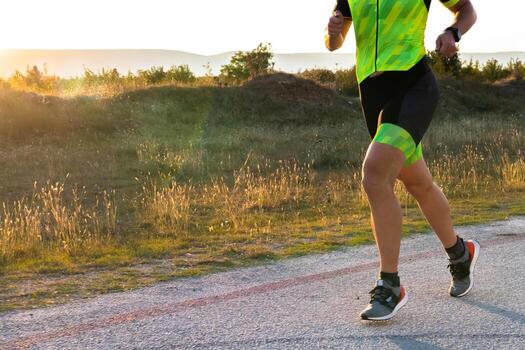
Runner’s knee is one of the most common reasons runners cut a run short or stop training altogether. It often starts as a mild ache around the front of the knee, then becomes a pattern: It hurts on downhills, flares after longer runs, and nags you even when you are not running.
The frustrating part is that runner’s knee rarely improves long-term with rest alone. You might feel better for a week, then the pain returns as soon as you rebuild mileage. That usually means the knee is reacting to a workload or movement issue that has not been addressed yet.
This guide explains what runner’s knee is, why it happens, what mistakes keep it around, and how to rebuild your knee and your running capacity with a clear plan.
If your pain keeps returning, start with knee pain and injury physical therapy to identify what’s driving your symptoms and build a structured return-to-run progression.
What is runner’s knee?
Runner’s knee is often used to describe pain around the kneecap, commonly linked to irritation at the front of the knee during running, stairs, squats, or downhill walking. Many runners describe it as:
- Pain Around Or Behind The Kneecap
- Aching That Builds As The Run Goes On
- Discomfort On Downhills Or Stairs
- Pain When Sitting For Long Periods, Then Standing Up
It is usually not one single “broken” structure. Most often, it is a sensitivity and loading problem, where the knee is taking more stress than it can currently tolerate.
Why is runner’s knee common in Phoenix runners
Phoenix running conditions can contribute to this issue in subtle ways.
Heat can change your mechanics
When you are fatigued from heat, your stride can shorten, your form can collapse slightly, and your knee can take more load with each step.
Downhills and uneven terrain add stress
Even small descents increase knee demand because your leg must absorb more force and control braking with every step.
Training volume often spikes seasonally
Many runners ramp up during cooler months, join a training plan, or add mileage quickly. Sudden volume changes are one of the most consistent drivers of runner’s knee.
The most common causes of runner’s knee
Runner’s knee is usually a mix of training load and mechanics, not a single “bad knee.”
Rapid mileage or intensity increases
If you increase weekly mileage, add speed work, or stack long runs too quickly, the knee may not have time to adapt.
Hip and glute weakness
When the hips are not controlling the leg well, the knee often moves into less efficient positions under load, especially during fatigue.
Limited ankle mobility or calf endurance
If your ankle and calf are stiff or weak, the knee can take extra stress as your body finds a different way to absorb force.
Poor downhill tolerance
Downhill running is a braking exercise. If your quads and hips are not prepared, your kneecap area can become irritated fast.
Running form that increases knee load
Common patterns include overstriding, a very low cadence, or a “heavy” landing. Small form adjustments can reduce load, but they work best when paired with strength and progression.
Training mistakes that keep the runner’s knee from going away
Most recurring runner’s knee follows one of these loops.
Resting until it feels better, then returning to the same plan
Pain calms down, you go back to your usual route and pace, and it flares again because the underlying capacity did not change.
Doing only stretching or foam rolling
Mobility work can help you feel better, but runner’s knee often needs strength and load progression to improve for good.
Avoiding strength work because it “might irritate it”
The right strength plan is usually the solution. The key is starting at the right level and progressing gradually.
Ignoring the next-day signal
If pain increases the day after a run, you likely exceeded your current tolerance. That feedback is valuable for adjusting the plan.
A PT-based plan to rebuild the runner’s knee
The goal is not just to calm pain. The goal is to rebuild the capacity that running requires.
Step 1: Identify your specific driver
A solid assessment looks at:
- Hip Strength And Single-Leg Control
- Ankle Mobility And Calf Endurance
- Quad Strength And Load Tolerance
- Running Form Factors That Increase Knee Stress
- Training Volume, Terrain, And Speed Work Balance
Runner’s knee is highly fixable when you know what is actually driving your load pattern.
Step 2: Reduce pain by adjusting load, not stopping everything
Most runners do better with a short modification phase rather than a total shutdown.
- Reduce Weekly Mileage Temporarily
- Reduce Or Pause Speed Work Short-Term
- Limit Downhills While Symptoms Are Reactive
- Keep Easy Runs Easy, And Shorter At First
- Cross-Train If Needed To Maintain Fitness
The goal is to keep you moving while you rebuild.
Step 3: Strengthen the “shock absorbers”
These areas reduce the stress that lands on the knee:
- Glutes And Hip Stabilizers
- Quads With A Tolerance-Based Progression
- Calves And Foot Control
- Core Control For Better Leg Alignment
A consistent plan here is usually the turning point.
Step 4: Rebuild running tolerance with a clear progression
A return-to-run plan often includes:
- Run-Walk Intervals If Needed
- Shorter Runs With Rest Days Between
- Gradual Increases In Time Before Mileage
- Flat Routes Before Hills
- A Slow Re-Introduction Of Speed Work
If you want more background on how Movement Redefined approaches sports rehab and return-to-activity planning, this related post is a helpful read: Back in the Game: Sports-Specific Physical Therapy.
What you can do right now to reduce runner’s knee flare-ups
These are safe, general starting points. If pain spikes, scale back and get assessed.
1) Adjust your next two weeks, not your entire identity
- Reduce Your Weekly Volume
- Choose Flatter Routes
- Keep Effort Easy
- Add Rest Days Between Runs
This is often enough to stop the flare cycle so you can rebuild.
2) Use a simple pain scale to guide decisions
A practical rule:
- Keep Pain During Running Mild
- Avoid Pain That Sharpens As You Continue
- Avoid Pain That Is Worse The Next Day
The next-day response matters more than a brief ache during the run.
3) Build strength twice per week
Two sessions per week is enough to change outcomes when done consistently.
- Add Hip Strength Work
- Add Calf Strength Work
- Add A Quad-Friendly Progression
Consistency beats intensity.
4) Make downhills a training variable
If downhills trigger pain, treat them as a progression, not a default. Start flat, then add gentle descents later as strength improves.
5) Consider cadence and stride length
Many runners reduce knee load by slightly increasing cadence and avoiding overstriding. You do not need to overhaul your form. Small changes work best when combined with strength and smart progression.
When you should get help for runner’s knee
Physical therapy is a strong next step when:
- Pain Persists Beyond Two Weeks Despite Modifications
- Symptoms Return Every Time You Increase Mileage
- Stairs Or Daily Activity Hurt
- You Feel Instability Or Loss Of Confidence
- You Want A Clear Plan Instead Of Trial-And-Error
Runner’s knee is typically very responsive to the right combination of strength, mobility work, and a progressive return plan that fits your current tolerance.
FAQs about runner’s knee
How long does runner’s knee take to heal?
It depends on how long you have had it and how consistent your plan is. Many runners improve within a few weeks with proper load adjustment and strengthening, but building full tolerance for hills and speed work can take longer.
Should I stop running completely?
Not always. Many runners do best with temporary changes like reducing mileage, avoiding downhills, and keeping runs easy while they rebuild strength. If pain is sharp, worsening, or affecting walking, it may be smart to pause running briefly and get assessed.
Is runner’s knee a cartilage problem?
Not necessarily. Runner’s knee is often related to sensitivity and loading patterns around the kneecap area, and it usually responds well to strength, mechanics adjustments, and gradual progression.
What is the biggest mistake runners make?
Returning to the same mileage and intensity as soon as pain decreases. The knee often requires a step-by-step build-up to full training demands.
Can strength training make it worse?
It can if you start too heavy or progress too quickly. The right plan uses controlled loading that matches your current tolerance and builds capacity week by week.
Conclusion
Runner’s knee is frustrating, but it is often fixable when you stop guessing and start rebuilding capacity. The best approach is usually a combination of smart load changes, targeted strength work, and a gradual return-to-run progression that respects your knee’s response the next day.
If you want a clear plan built around your running goals, reach out through the Contact Us page to schedule an appointment at Movement Redefined. We’ll help you identify what’s driving the pain, rebuild strength and control, and return to running with more confidence.