
Stretch Therapy vs. Traditional Physical Therapy: Which Is Best for Your Pain Relief?
Living with pain changes how you move, sleep, and enjoy life. Knowing which therapy will actually help you, whether it is stretch therapy or traditional physical therapy, matters. This article breaks down how each approach works, the benefits you can expect, and the types of problems they treat. We’ll share patient experience highlights and practical guidance so you can decide which option fits your goals and lifestyle.
What Is Stretch Therapy and How Does It Relieve Pain?
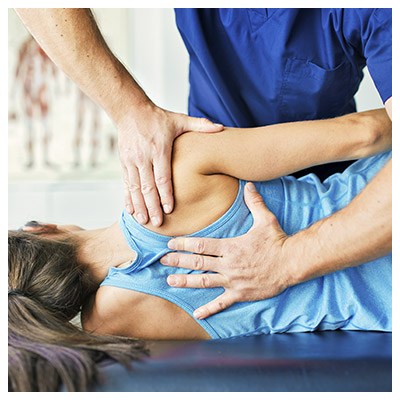
Stretch therapy is a hands-on approach that uses assisted stretching to restore flexibility and joint mobility. Targeting tight muscles and releasing tension, it helps reduce pain and improve movement. Because a therapist guides the stretches, you can reach deeper ranges safely, often achieving results that are hard to get with solo stretching.
Which Assisted Stretching Techniques Are Used in Stretch Therapy?
- PNF Stretching: Proprioceptive Neuromuscular Facilitation combines deliberate muscle contractions with stretching to quickly increase flexibility and range of motion.
- Static Stretching: A controlled hold that lets the muscle relax and lengthen over time, easing persistent tightness.
- Dynamic Stretching: Controlled movement-based stretches that prepare the body for motion while improving flexibility through active engagement.
These techniques focus on specific tension points, so the relief you get is practical and targeted.
What Are the Key Benefits of Stretch Therapy for Pain Relief?
- Improved Flexibility: Regular sessions increase joint and muscle range, lowering injury risk and making daily movement easier.
- Reduced Muscle Tension: Targeted stretching releases chronic tightness that often contributes to pain.
- Enhanced Recovery: Improved blood flow and reduced soreness help the body recover faster from workouts and minor injuries.
Because it addresses mobility and tension directly, stretch therapy is a strong option for people dealing with ongoing stiffness or tight-muscle pain.
How Does Traditional Physical Therapy Manage Pain?
Traditional physical therapy uses a mix of exercise, hands-on techniques, and therapeutic modalities to restore function and reduce pain. The goal is to rebuild strength, correct movement patterns, and return you to daily life or sport through a structured, goal-based program.
What Are Common Traditional Physical Therapy Techniques?
- Manual Therapy: Skilled hands-on work to mobilize joints and soft tissue, easing pain and improving movement quality.
- Exercise Therapy: Individualized exercise plans to build strength, correct imbalances, and improve endurance.
- Modalities: Tools like heat, cold, ultrasound, or electrical stimulation are used selectively to manage pain and inflammation.
Therapists blend these methods into a personalized plan that addresses both symptoms and the underlying causes of pain.
How Effective Is Physical Therapy for Post-operative Rehabilitation?
Physical therapy is a cornerstone of post-operative recovery. Research and clinical experience show that structured rehab helps patients regain strength and function faster and more completely. Its success depends on a few key factors:
- Tailored Rehabilitation Plans: Programs customized to the surgery and the individual’s goals produce the best outcomes.
- Patient Compliance: Doing prescribed exercises and attending sessions has a big effect on recovery speed.
- Therapist Expertise: Experienced clinicians adapt treatment as you progress, preventing setbacks and maximizing gains.
When applied early and consistently, traditional physical therapy smooths the path back to everyday activities.
What Are the Differences Between Stretch Therapy and Physical Therapy?
Both aim to reduce pain and improve function, but they focus on different priorities. Stretch therapy centers on mobility and releasing tight muscles. Traditional physical therapy emphasizes rebuilding strength, correcting movement patterns, and rehabilitating injuries. Knowing these differences helps you pick the approach that matches your needs.
Which Conditions Benefit Most from Stretch Therapy vs. Physical Therapy?
- Stretch Therapy: Especially helpful for muscle tightness and stiffness common with lower back pain, sport-related tightness, and general mobility limitations.
- Physical Therapy: Often the better choice for post-operative rehab, chronic pain syndromes that need strengthening, and conditions requiring comprehensive functional retraining, such as arthritis or joint replacement recovery.
Can Stretch Therapy Replace Traditional Physical Therapy?
Stretch therapy can be a complete solution for some people, particularly those whose main issue is tightness or limited range. However, it doesn’t replace the broader scope of traditional physical therapy when strength, movement retraining, or post-op care are required. Frequently, the best results come from combining both approaches, stretching to restore mobility and PT to rebuild strength and function.
What Do Patient Testimonials and Case Studies Reveal About These Therapies?
Patient stories are useful for seeing how each approach works in real life. Many people praise stretch therapy for its immediate gains in flexibility and reduced daily pain. Meanwhile, post-op and chronic pain patients often report meaningful long-term improvements with traditional physical therapy.
How Have Customized Stretch Therapy Sessions Helped Patients?
- Increased Range of Motion: Patients often gain easier, more comfortable movement in areas that were previously tight or limited.
- Pain Reduction: Many notice fewer flare-ups and lower baseline pain after a few targeted sessions.
- Enhanced Athletic Performance: Athletes report smoother movement, better mechanics, and fewer injuries after adding regular stretch work.
Those outcomes show how a personalized stretching plan can make everyday movement feel better and safer.
What Are Patient Experiences with Post-operative Physical Therapy?
People who follow a tailored post-op PT plan consistently highlight a few themes:
- Faster Recovery: Early and progressive PT often speeds up the return to normal function.
- Increased Confidence: Structured rehab helps patients trust their bodies again and feel ready to resume activities.
- Supportive Environment: Encouragement and hands-on guidance from therapists improve motivation and adherence to recovery plans.
These experiences underscore traditional physical therapy’s value in structured recovery processes.
How Do You Choose the Right Therapy for Your Pain Relief Needs?
Picking the right therapy means thinking about the type of pain, your goals, and how you prefer to be treated. A clear look at your condition and priorities helps you choose an approach that will deliver the best results.
What Factors Should Influence Your Therapy Decision?
- Severity of Condition: Complex injuries and post-op needs usually require the broader, progressive approach of physical therapy.
- Personal Preferences: Some people prefer the gentle, hands-on nature of stretch therapy; others want the structured exercise and measurable progress of PT.
- Professional Recommendations: A clinician’s assessment will point you to the safest, most effective path for your specific situation.
How Can Movement Redefined Assist in Therapy Selection and Scheduling?
At Movement Redefined, we specialize in practical pain relief and improved mobility, with stretch therapy as a core offering. Our team provides personalized consultations, builds tailored plans, and helps schedule sessions that fit your life. We’ll recommend the right mix of services, stretching, physical therapy, or both, so your plan meets your goals and moves you forward safely.
Knowing the differences between stretch therapy and traditional physical therapy empowers you to choose confidently and get back to the activities you enjoy.
Conclusion
Choosing between stretch therapy and traditional physical therapy can shape how quickly and fully you recover. Stretch therapy is especially effective for improving flexibility and easing muscle tension, while traditional physical therapy focuses on structured rehab, strength, and long-term function. If you’re not sure which is right for you, reach out, and our team at Movement Redefined will help you build a plan that fits your goals and lifestyle, including a combination of both when it makes sense.